Kenya sits on the equator, so there is no summer or winter - the year swings between dry and wet seasons, and timing shapes both a climb and a safari.
Mount Kenya: the two climbing windows
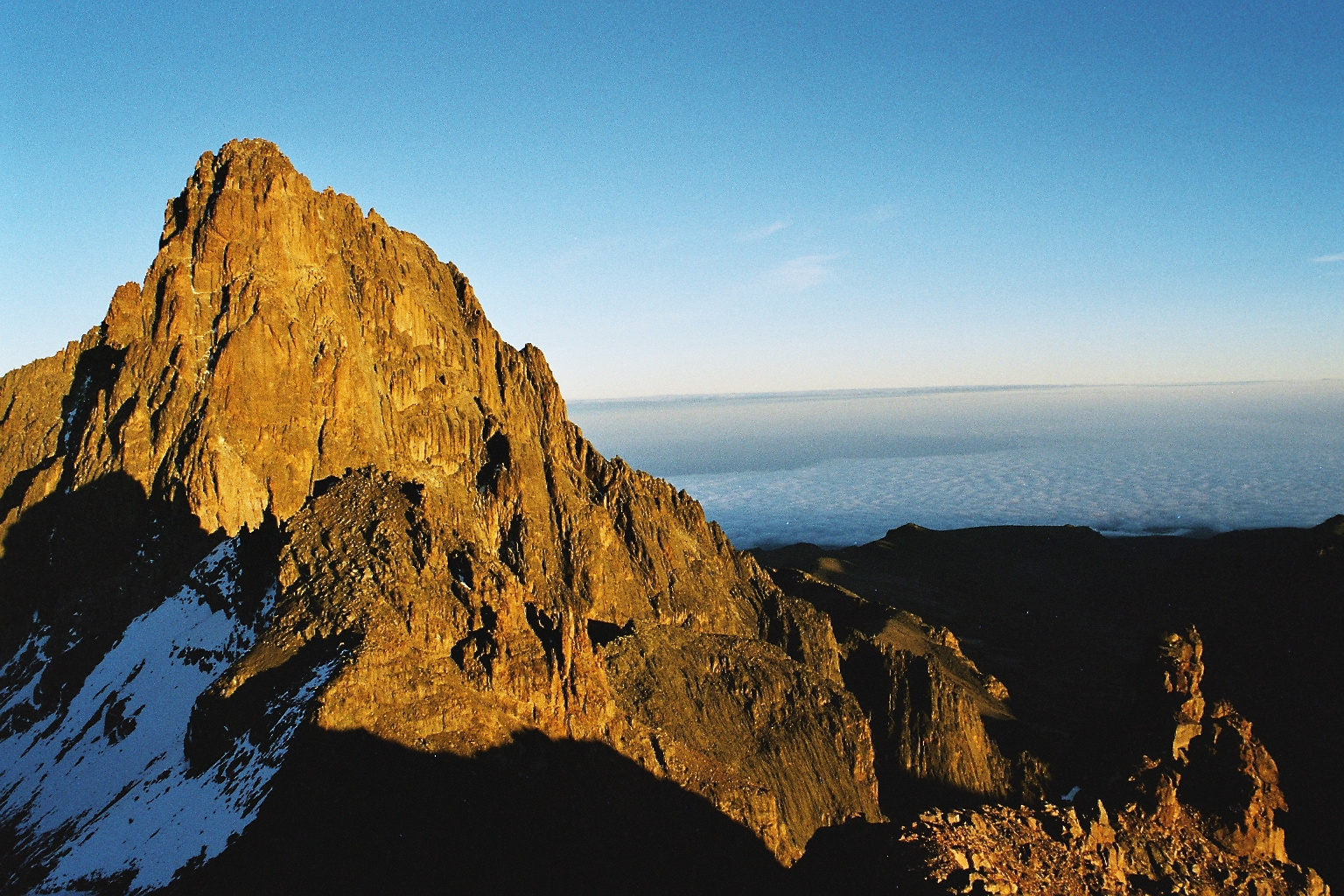
- January-February: the driest, clearest window of the year. Cold nights, superb summit views. Our busiest season, book ahead.
- July-October: the second dry season. Slightly colder on the summit side; reliably good conditions.
The long rains (March-May) bring slippery trails, boggy moorland and cloud-hidden summits; the short rains (November-mid-December) are milder but unpredictable. Treks run year-round - equatorial rain tends to fall in afternoon bursts rather than all day - but if you can choose, choose dry.
Safari timing
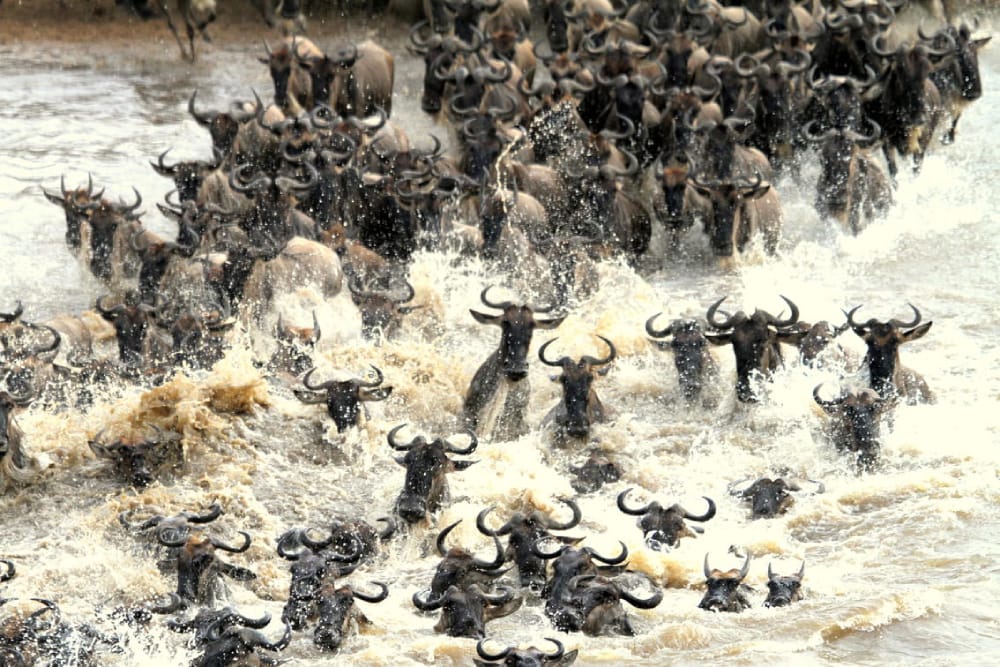
- July-October - the wildebeest migration is in the Maasai Mara: river crossings, big cats at work, safari at its most dramatic.
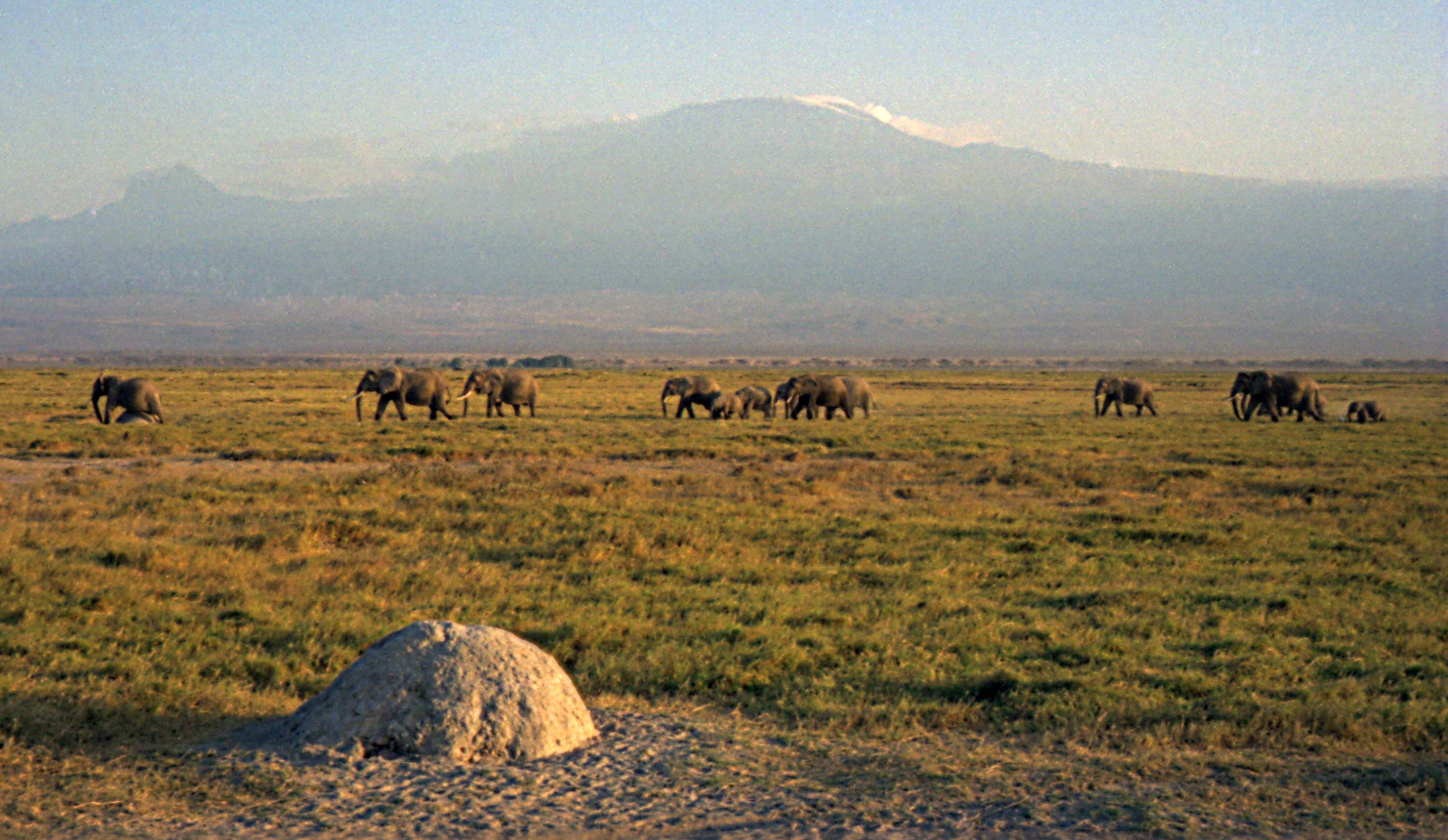
- Dry months generally - animals concentrate at waterholes, which is why Amboseli's elephants photograph so well against Kilimanjaro in these windows.
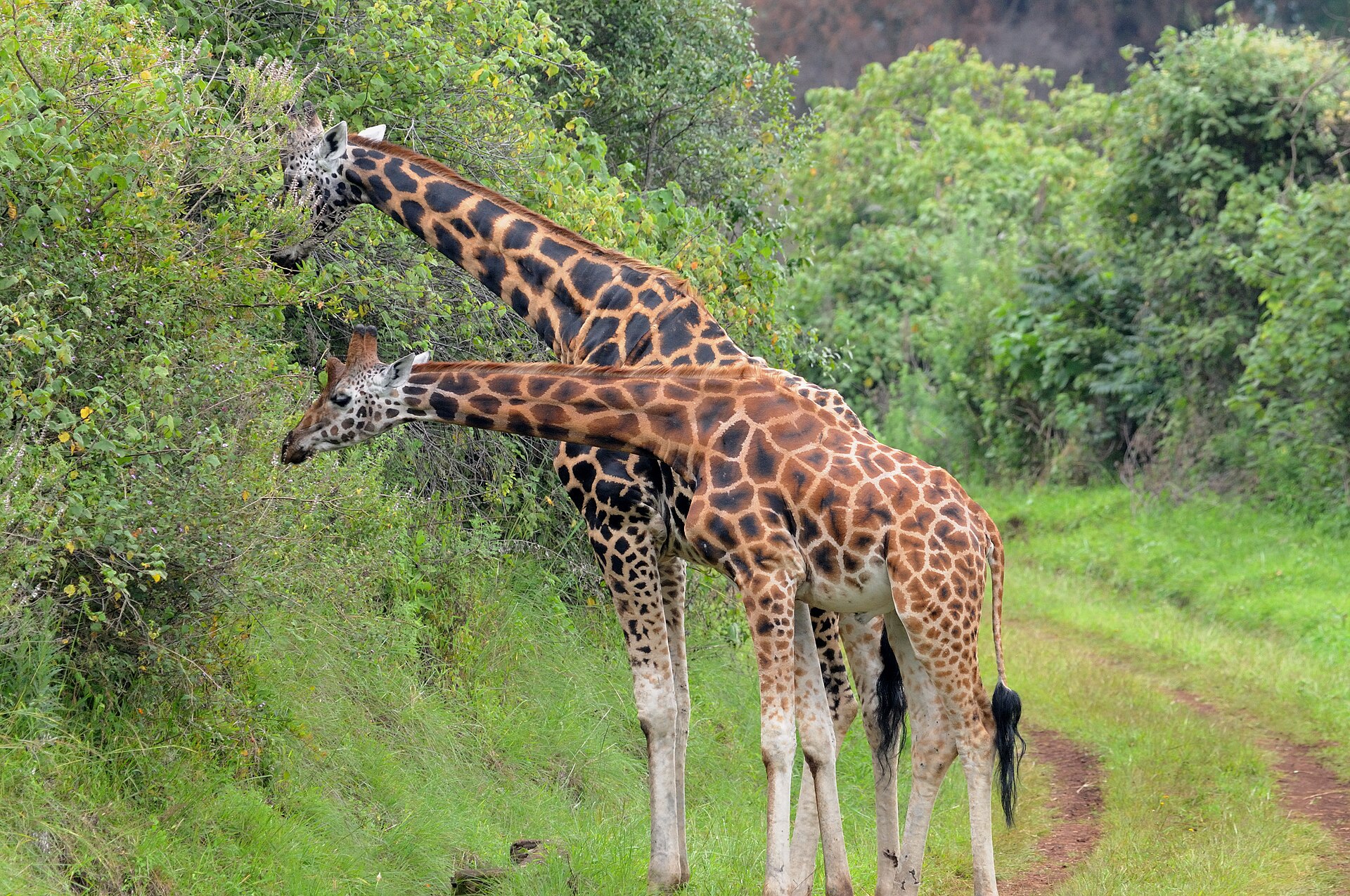
- Lake Nakuru - flamingo numbers vary with water levels year to year, but the rhino sanctuary delivers in any month.
The takeaway
July-October is the sweet spot for combining both: dry trails on the mountain and the migration in the Mara, in one trip. January-February is a close second, swapping the migration for the year's clearest summit skies.
Tell us your dates and we will tell you honestly what they mean for conditions - plan the timing with us →
Photo: Dan Lundberg, CC BY-SA 2.0 via Wikimedia Commons