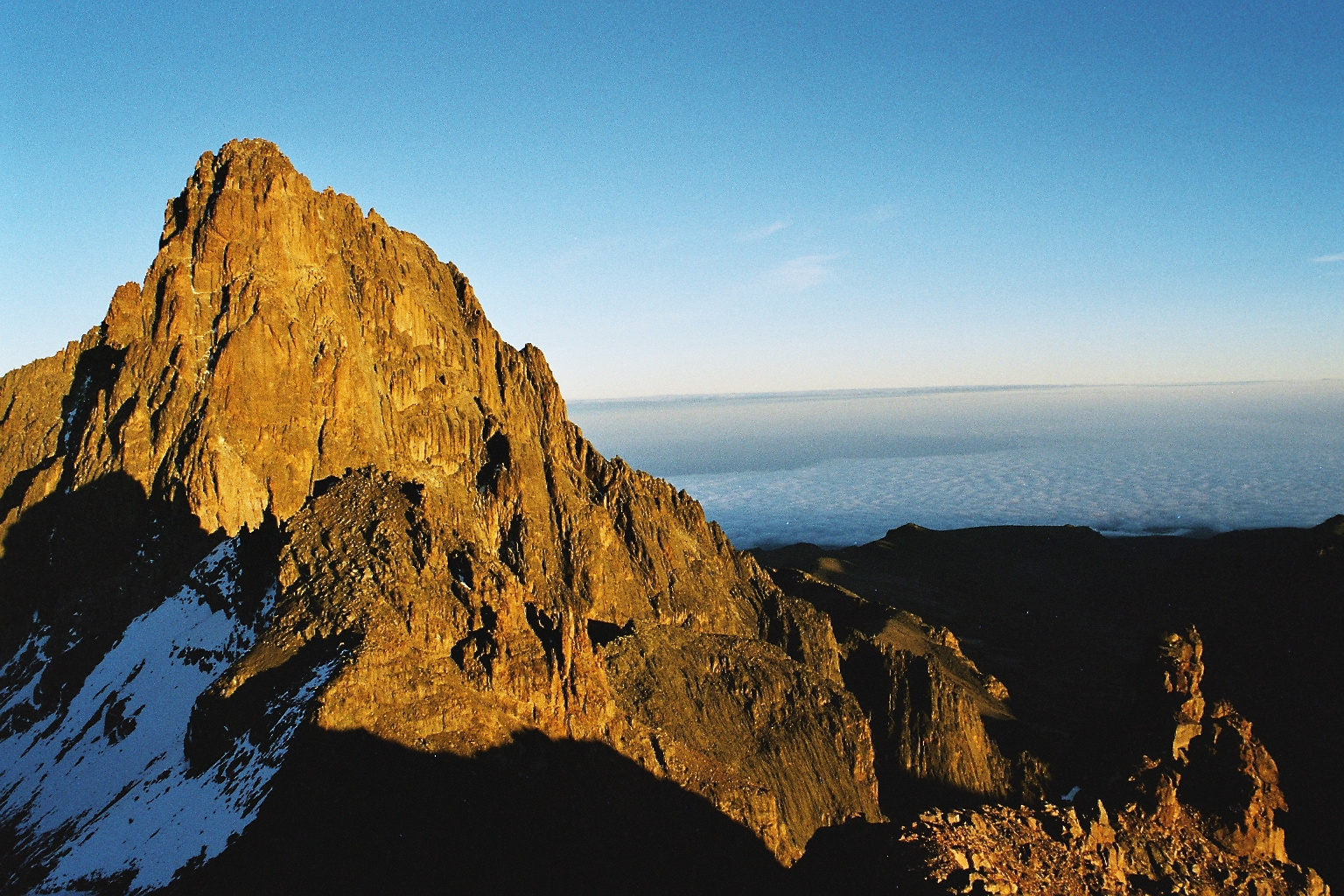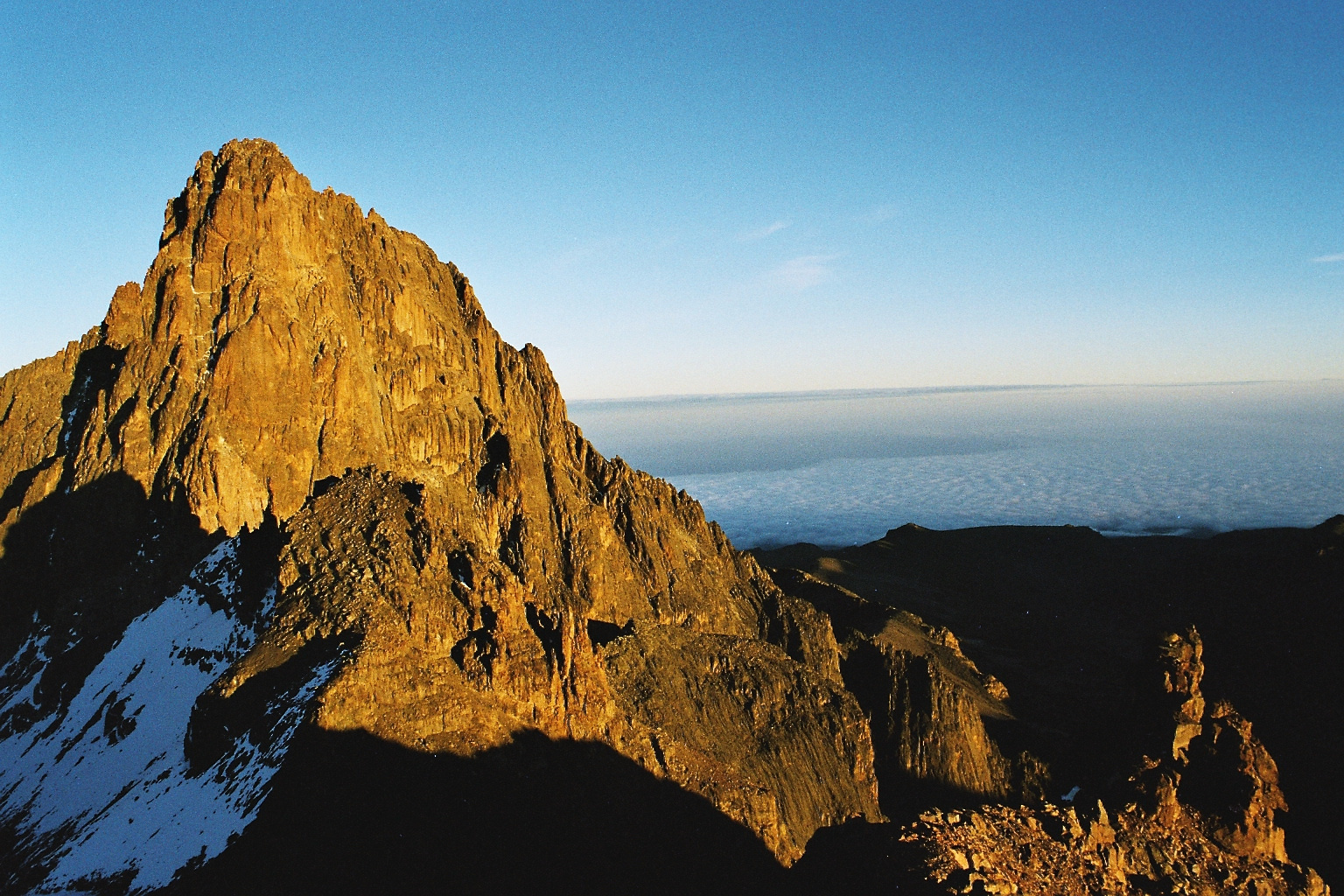
Mount Kenya's trekking summit, Point Lenana, is 4,985 m above sea level. At that height the air carries roughly half the oxygen it does at the coast. Altitude - not fitness - is what decides how summit morning feels, and it is manageable with a few honest rules.
What altitude actually does
Above about 3,000 m most people notice deeper breathing, a faster pulse and lighter sleep. That is normal acclimatisation. What needs attention is acute mountain sickness (AMS): persistent headache, nausea, dizziness, unusual fatigue. Mild AMS is common and passes with rest; worsening symptoms mean descending - no summit is worth pushing through them.
The rules that work
- Walk slowly from the first hour. Kenyan guides say pole pole for a reason. The hikers who struggle on day three are usually the ones who raced day one.
- Drink 3-4 litres a day. Dehydration mimics and worsens AMS.
- Eat, even without appetite. Altitude suppresses hunger exactly when your body needs fuel most; our cooks' job is to make that easy.
- Sleep lower than your high point when possible. The classic "climb high, sleep low".
- Prefer an extra day over a shorter itinerary. A 5-day trek summits noticeably happier than a 3-day one. The mountain does not get easier because you booked less time on it.
About Diamox
Acetazolamide speeds acclimatisation and many trekkers use it. Talk to your travel doctor before the trip - and remember it supplements the rules above, it does not replace them.
How we manage it
Our itineraries are built around acclimatisation profiles (it is why we steer first-timers to Sirimon), guides monitor every climber daily, and the schedule always holds the option of turning a push day into a rest day. Choose an itinerary with enough days →
Photo: Wikimedia Commons contributor, CC BY 2.5 via Wikimedia Commons