We guide both mountains, so this comparison has no side to take - just the honest differences that should drive your choice.
The case for Kilimanjaro (5,895 m)
It is the roof of Africa, and standing on Uhuru Peak is a bucket-list line nothing else replaces. No technical skill is needed on the trekking routes, the infrastructure is superb, and summit certificates carry the most famous name in African mountaineering. Machame 7 days and Lemosho 8 days are the routes we recommend for acclimatisation and scenery - from $2,200.
The case for Mount Kenya (4,985 m at Point Lenana)
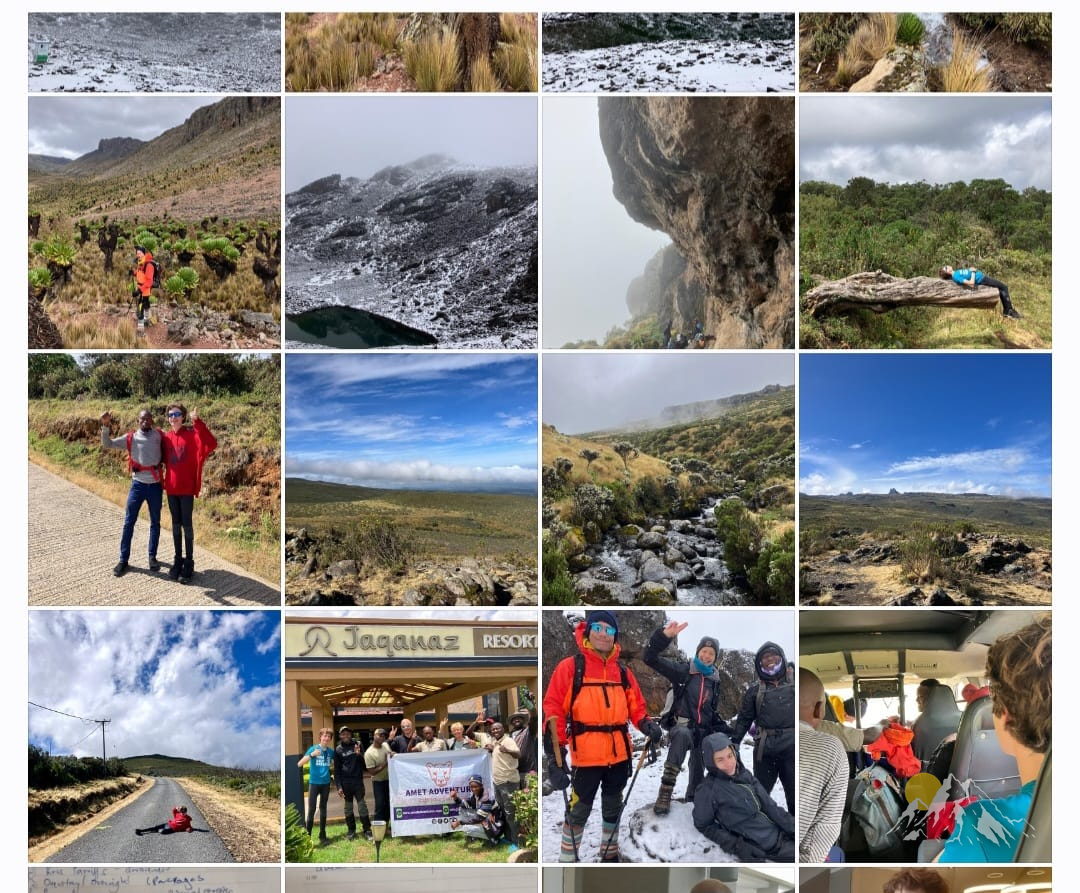
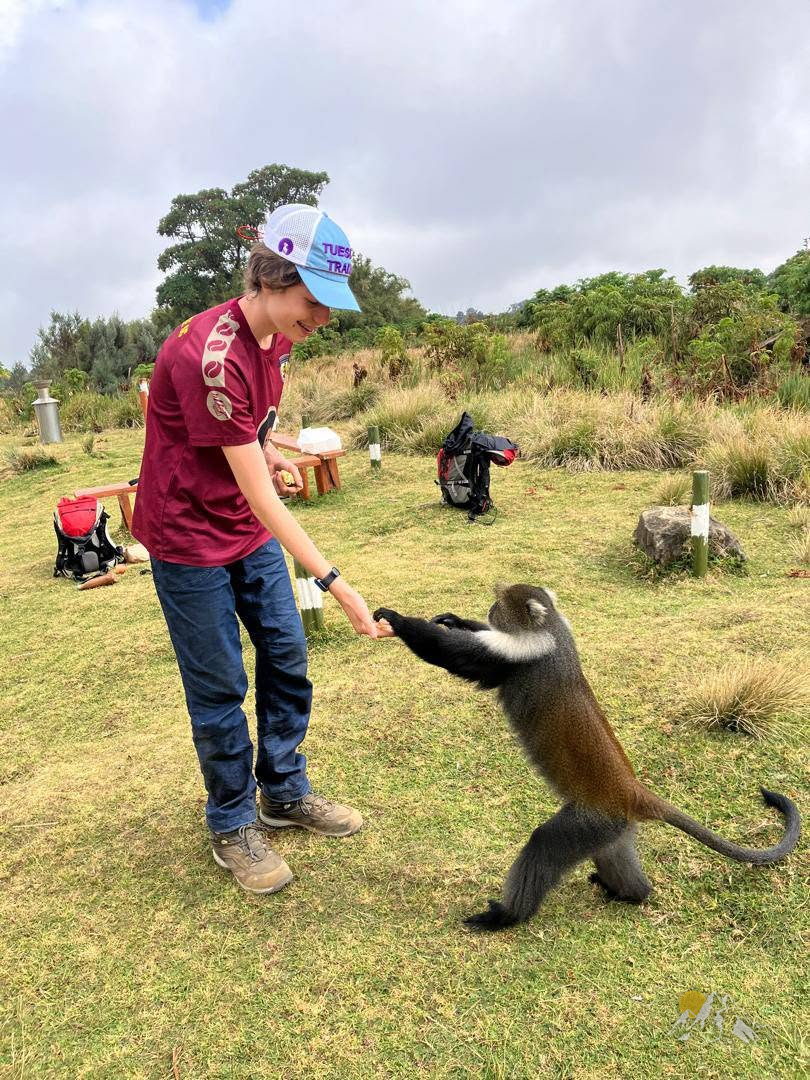
Wilder, quieter, cheaper - and many guides' honest favourite. You will share the trail with colobus monkeys more often than with other groups, the Gorges Valley and Lake Michaelson out-scenery anything on the Kili trekking routes, and a 4-5 day itinerary from around $900 costs less than half a Kilimanjaro climb. Equatorial summit sunrises with both glaciers and savannah below are their own reward.
Side by side
| Mount Kenya | Kilimanjaro | |
|---|---|---|
| Trekking summit | 4,985 m | 5,895 m |
| Typical cost | $900-1,300 | $2,000-2,500 |
| Days needed | 4-5 | 6-8 |
| Crowds | Low | High season: busy |
| Scenery variety | Outstanding | Very good |
| Altitude risk | Lower | Higher |
The answer most climbers land on
Mount Kenya first, Kilimanjaro after. Kenya's mountain is the perfect high-altitude rehearsal: you learn how your body handles 4,500 m+ for a third of the cost, then arrive on Kilimanjaro acclimatised and confident. We run both back-to-back for exactly this reason - ask us about the two-summit itinerary.
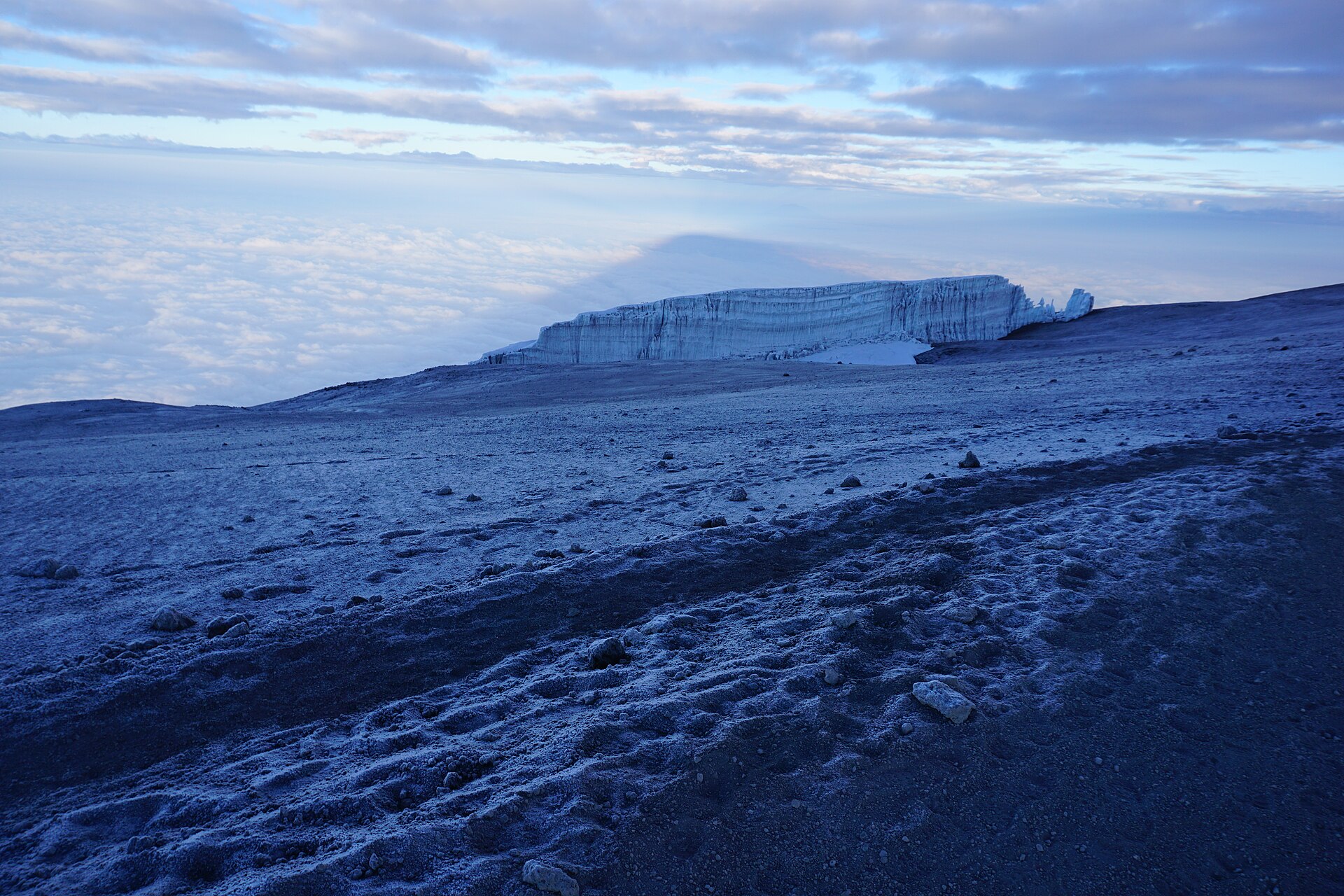
Photo: Roryjm0, CC BY-SA 4.0 via Wikimedia Commons