It is the question behind every first enquiry, so here is the straight answer: yes, with a professional crew - and the risks that exist are managed, not ignored.
The real risks, ranked
- Altitude - the only one that regularly ends summit bids. We manage it with route choice, sensible itineraries and daily monitoring; read our full acclimatisation guide.
- Weather - equatorial mountains flip from sunshine to hail in an hour. Guides carry the forecast, turn-around times are agreed before summit night, and the kit list exists for a reason.
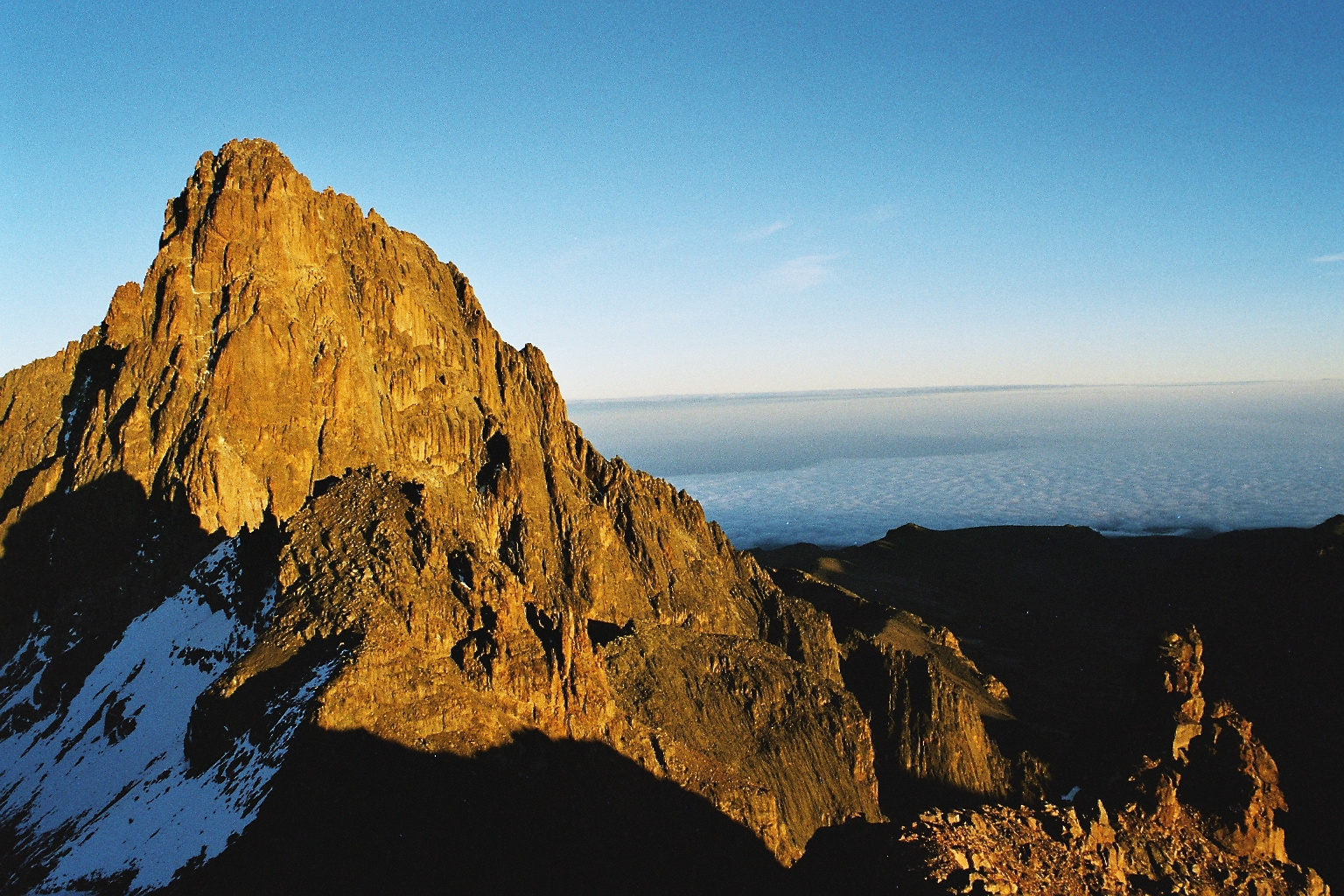
- Terrain - Point Lenana needs no ropes and no technical skill; it is a walk, steep in places. (Batian and Nelion are real rock climbs - guided separately.)
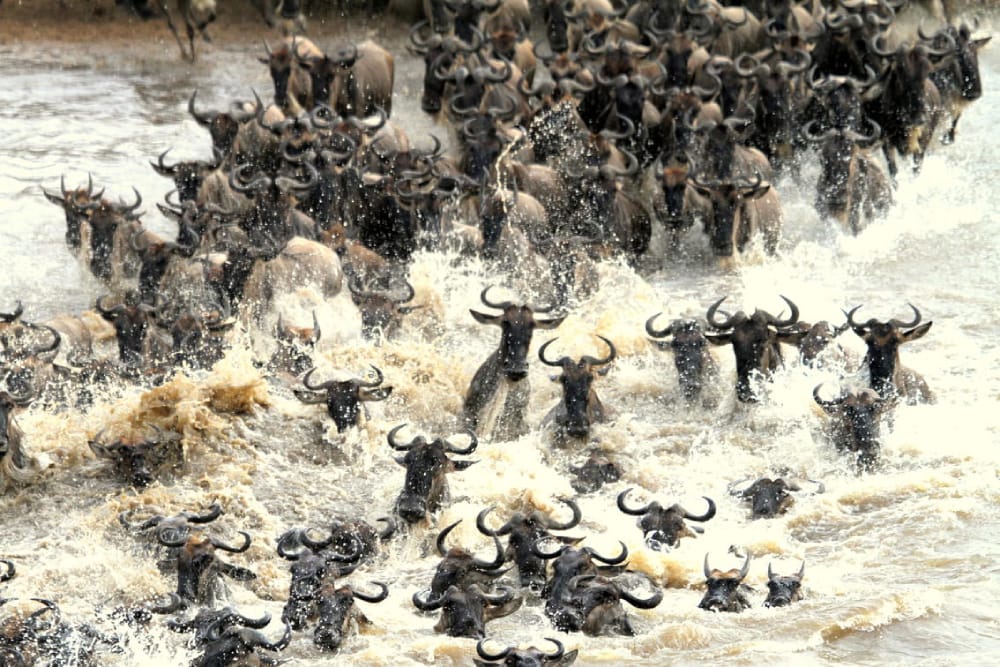
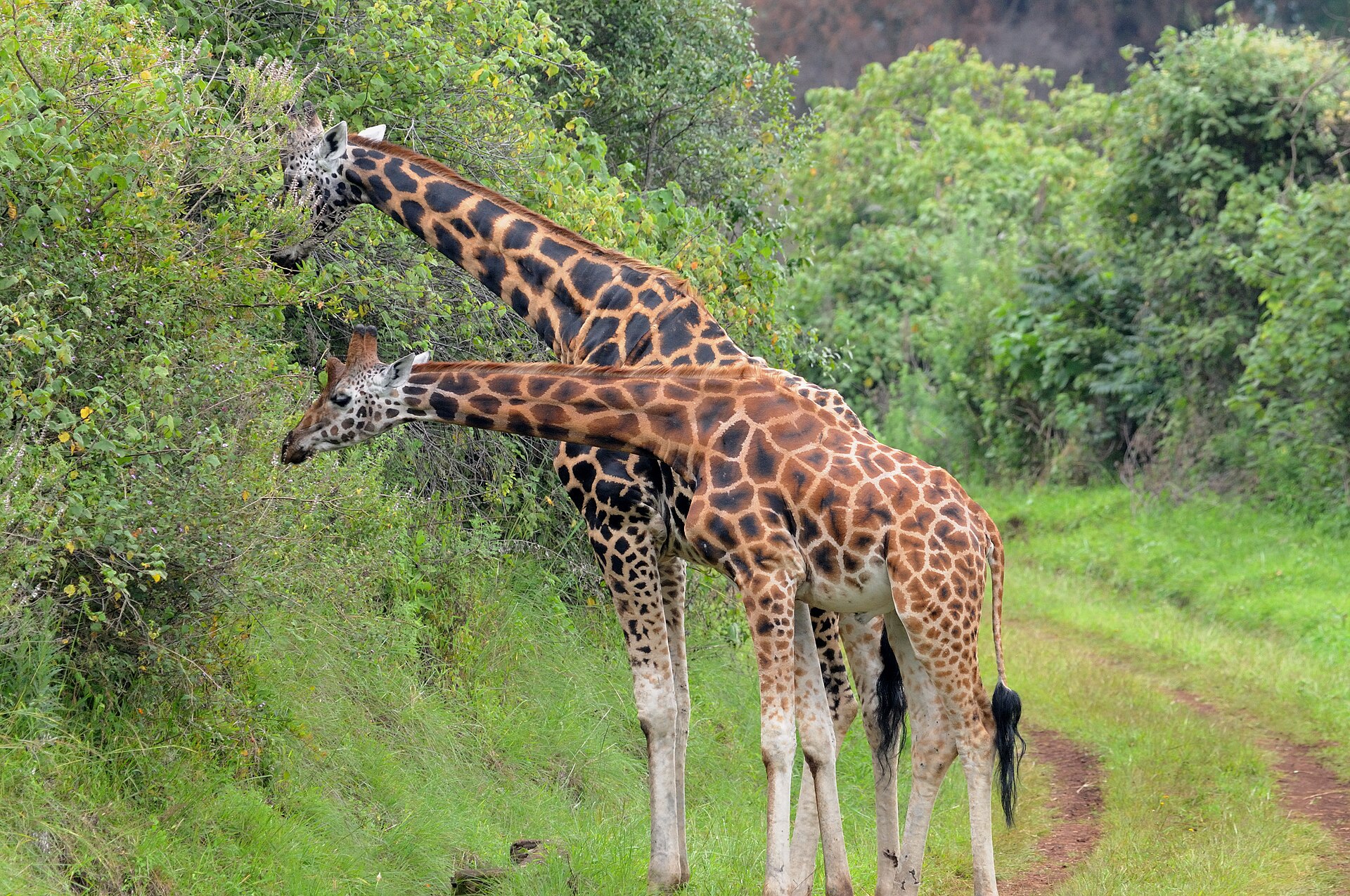
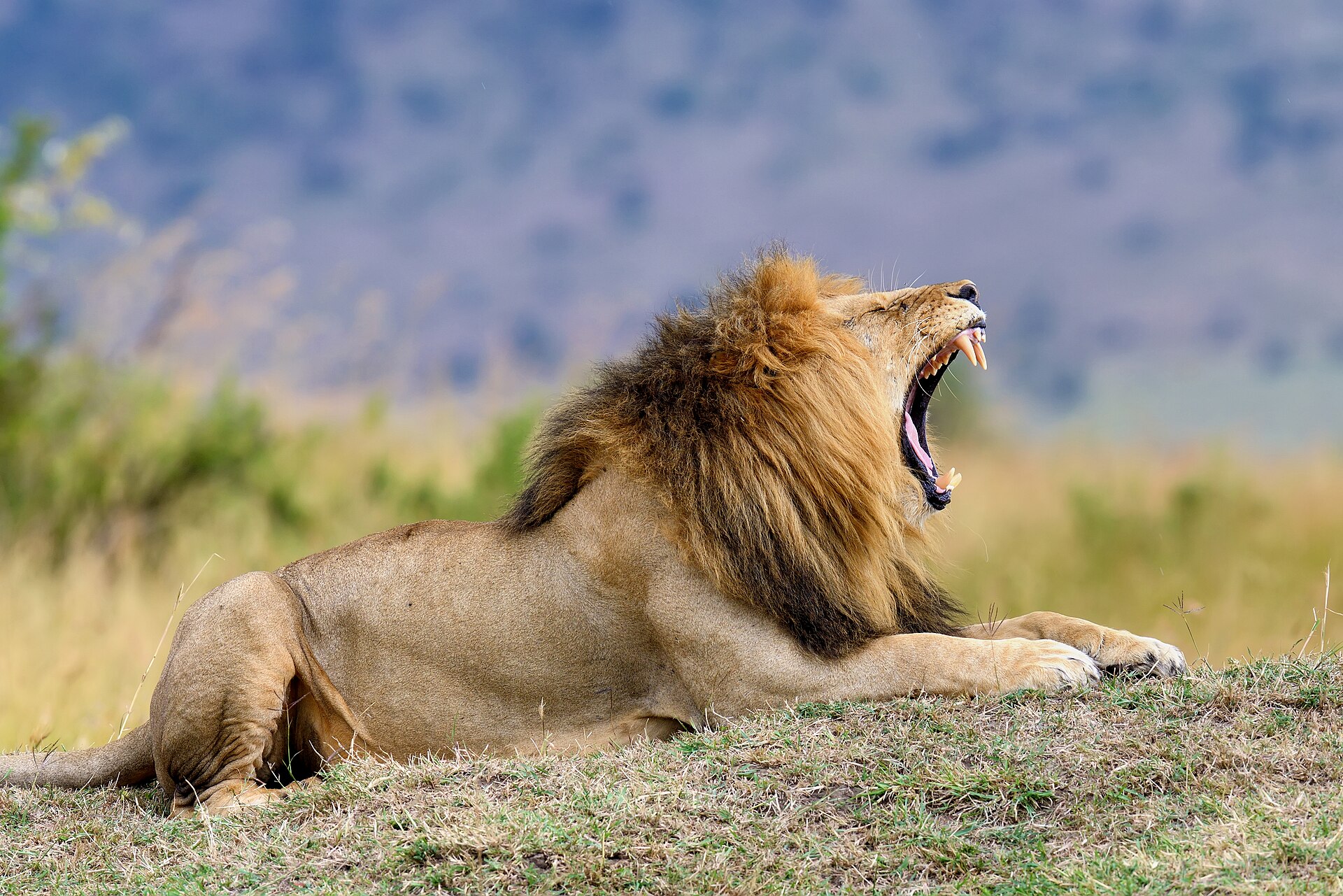
- Wildlife - buffalo and elephant live in the forest zone. Guides know the behaviour and the etiquette; incidents on guided treks are vanishingly rare.
What your crew actually does
A licensed guide (KWS-registered), cook and porters are not a luxury add-on - they are the safety system: daily health checks, rations and hydration handled, loads carried so you climb on fresh legs, radios and evacuation protocol if anything goes wrong. Park rules require a guide, and the rule is right.
Rescue and insurance
Kenya Wildlife Service maintains rescue teams on the mountain, and our itineraries keep evacuation routes short. Your travel insurance must cover trekking to 5,000 m - most standard policies need an activity upgrade; check before you fly, and we will remind you at booking.
The record
Hundreds of guided climbers a year, and the overwhelmingly common outcome is a summit photo and sore calves. Come prepared, walk pole pole, trust your guide - choose your route →
Photo: Wikimedia Commons contributor, CC BY 2.5 via Wikimedia Commons